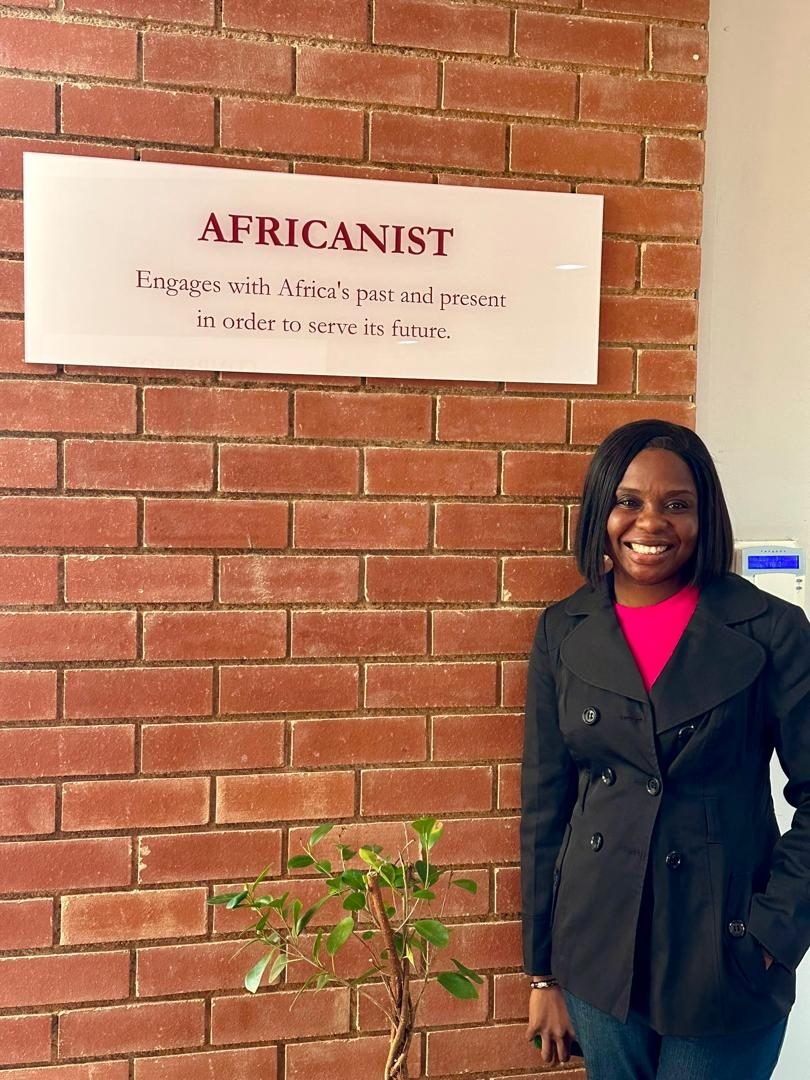
Most young people today are not limited by access.
They are limited by mindset.
That truth was reinforced for me during a recent conversation with students about AI and the future of education.
We spoke about tools such as AI, YouTube and digital platforms, and the extraordinary power this generation now carries in their hands. I found myself thinking about how different this is from the world many of us grew up in.
From Scarcity to Abundance
In the 1960s and 1970s, access to knowledge was limited. Exposure was constrained, and learning opportunities often depended on proximity, privilege and who you happened to know.
Today, knowledge is no longer scarce.
A young person with a smartphone and an internet connection can learn a new skill, explore an unfamiliar field, listen to experts from around the world, test an idea and even create something of value.
But access alone does not automatically create opportunity.
The more important question is: Do young people believe they are capable of building meaningful lives with the opportunities now available to them?
During my conversation with the students, I reminded them that technology can amplify talent, but it cannot replace character, consistency or courage.
Having access to AI does not automatically make someone innovative. Having access to information does not automatically make someone wise. And having access to opportunities does not necessarily mean someone will have the confidence to pursue them.
Why Mentorship Matters
That is where mentorship becomes so important.
“Access without mentorship can create noise instead of direction.”
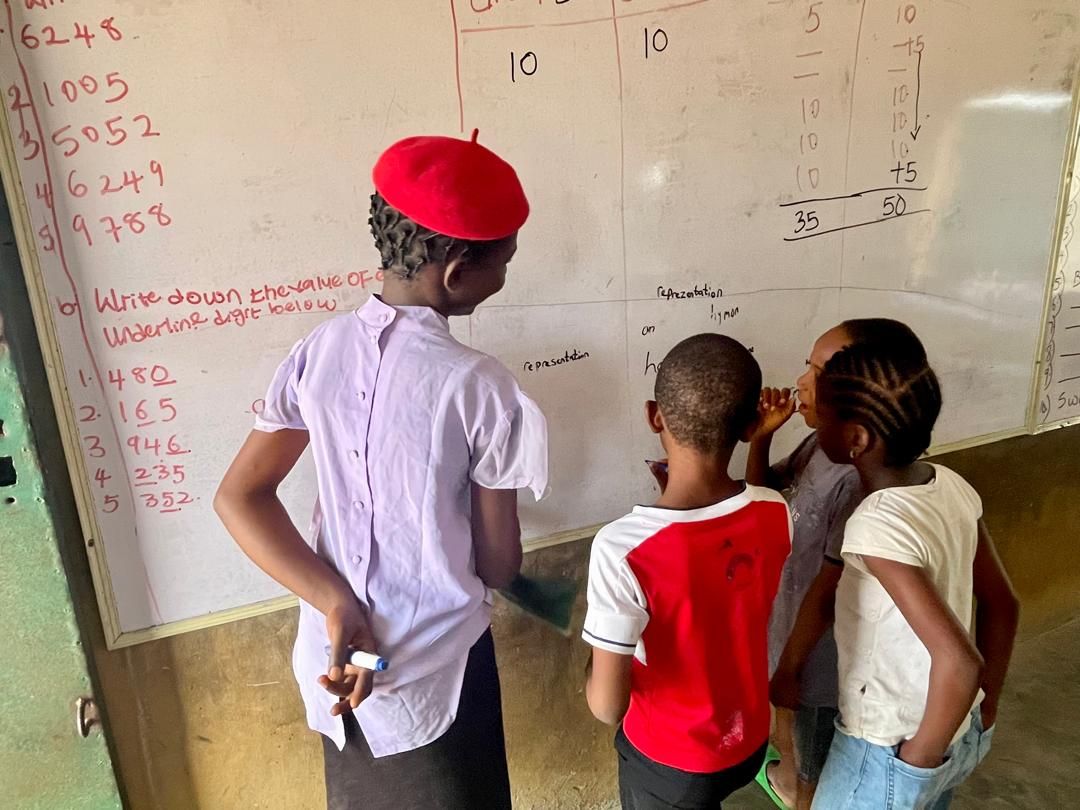
Young people today are exposed to more information than any generation before them. They can see what others are building, learn almost anything online and connect with ideas that were once completely out of reach.
But information is not the same as wisdom.
Young people need people who can help them make sense of what they are seeing, ask better questions, navigate uncertainty and recognise possibilities they may not yet see in themselves.
“Mentorship is the bridge between information and wisdom.”
From Consumers to Builders
This is why I believe education reform cannot be reduced to infrastructure, technology or innovation alone.
Of course, access matters. Devices matter. Connectivity matters. Better learning environments matter.
But we must also pay attention to mindset, guidance and exposure.
We have to help young people see themselves not just as consumers of technology, but as builders, creators, problem-solvers and innovators.
Because the real opportunity of this generation is not simply that they have more information at their fingertips. It is that they have the tools to do something with it.
When a young person begins to think, “I can build this. I can solve this. I can create something that matters,” something changes.
And perhaps that is one of the most important shifts education must help create: moving young people from asking, “What can I access?” to asking, “What can I create?”
When that shift happens, everything changes.
If this reflection resonated with you, or if you would like to support or learn more about the work we are building at Dolly Children Foundation, I welcome you to connect or reach out. Every young person deserves someone who helps them see what they can build.